















Which Airlines Have The Safest Tap Water? A New Study Breaks It Down
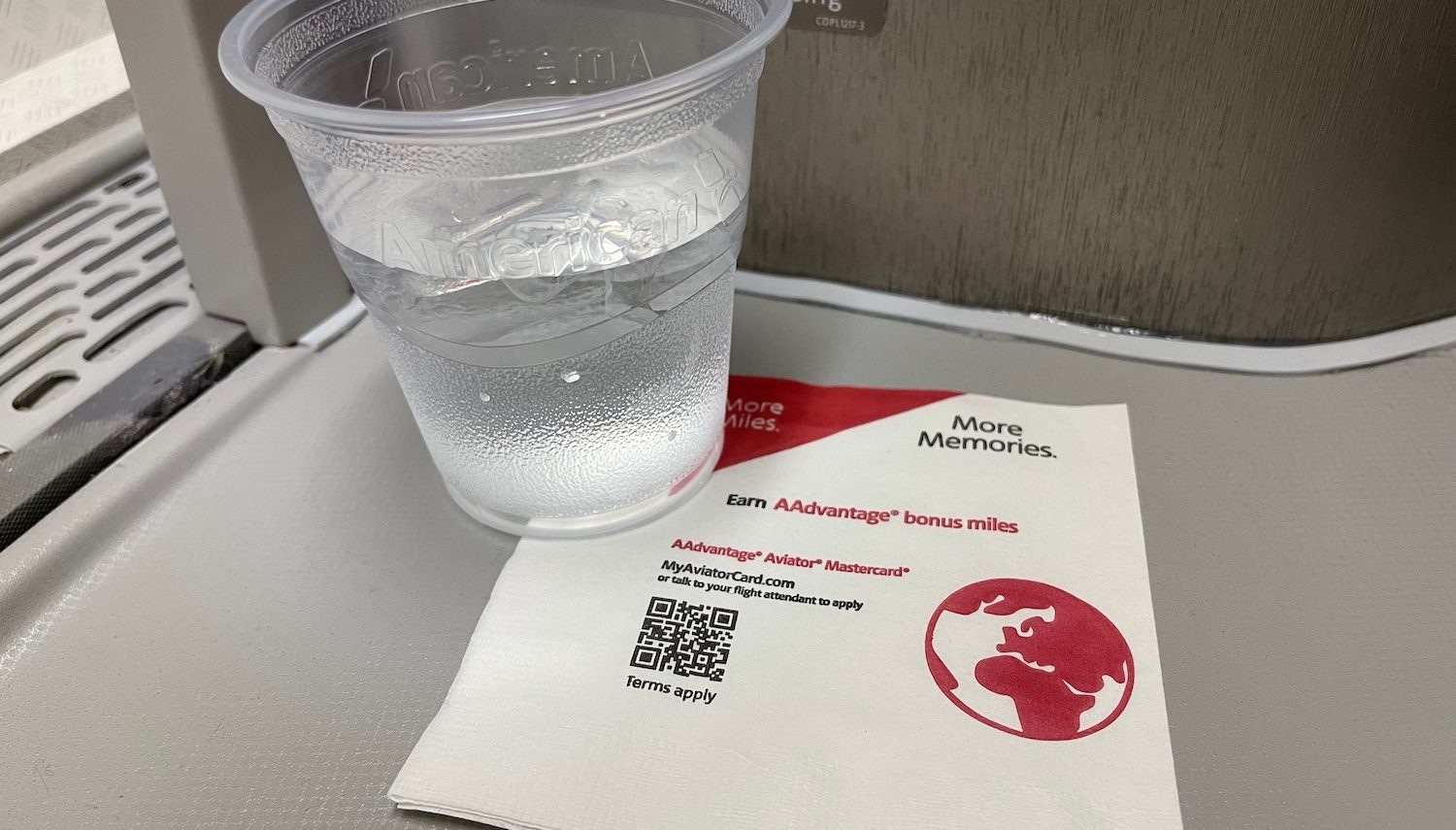
After you read this study, you’ll want to start traveling with your own water. Over the course of three years, from October 1, 2022, to September 30, 2025, the Center for Food as Medicine and Longevity conducted a massive 35,000-sample study that ranked 10 major and 11 regional airlines based on the quality of tap water provided during flights.
To determine where each airline ranked, they were given a Water Safety Score, with 0 being the lowest and 5 being the highest. Scores of 3.5 and above were considered relatively safe. The study’s criteria included:
- Violations per aircraft
- Maximum contaminant level violations for E. coli
- Indicator-positive rates
- Public notices
- Disinfecting and flushing frequency
Delta Airlines (5.00, Grade A), Frontier Airlines (4.80, Grade A), and Alaska Airlines (3.85, Grade B) rounded out the top three major airlines that serve the safest drinking water, while Spirit Airlines (2.05, Grade D), JetBlue (1.80, Grade D), and American Airlines (1.75, Grade D) ranked lowest. When it comes to regional airlines, GoJet Airlines (3.85, Grade B) landed at number one, and Mesa Airlines (1.35, Grade F) came in last.
Here’s the full list of rankings:
Major Airlines
- Delta Air Lines: 5.00 (Grade A)
- Frontier Airlines: 4.80 (Grade A)
- Alaska Airlines: 3.85 (Grade B)
- Allegiant Air: 3.65 (Grade B)
- Southwest Airlines: 3.30 (Grade C)
- Hawaiian Airlines: 3.15 (Grade C)
- United Airlines: 2.70 (Grade C)
- Spirit Airlines: 2.05 (Grade D)
- JetBlue: 1.80 (Grade D)
- American Airlines: 1.75 (Grade D)
Regional Airlines
- GoJet Airlines: 3.85 (Grade B)
- Piedmont Airlines: 3.05 (Grade C)
- Sun Country Airlines: 3.00 (Grade C)
- Endeavor Air: 2.95 (Grade C)
- SkyWest Airlines: 2.40 (Grade D)
- Envoy Air: 2.30 (Grade D)
- PSA Airlines: 2.25 (Grade D)
- Air Wisconsin Airlines: 2.15 (Grade D)
- Republic Airways: 2.05 (Grade D)
- CommuteAir: 1.60 (Grade D)
- Mesa Airlines: 1.35 (Grade F)
The study was conducted to highlight an important aspect of traveling as it pertains to public health, which is often overlooked. Unlike terrestrial water systems, the water on airplanes is supplied by various airports with varying infrastructures along their flight route, and during travel, it undergoes fluctuating temperature and pressure conditions.
It’s then served from a spout connected to a complex plumbing network attached to galleys and lavatories. Airplane water also experiences periods of stagnation. These combined conditions create an environment suitable for bacterial growth.
According to the study, “The potential health consequences of consuming contaminated aircraft drinking water range from acute gastrointestinal illness to exposure to opportunistic pathogens. Vulnerable populations, including young children, elderly passengers, pregnant women, and immunocompromised individuals, may face elevated risks from waterborne pathogens.”
To read more about the extensive study and potential hazards of consuming airline water, click here.