














Researchers Discover A Chili Pepper Fossil Dating Back 50 Million Years
I’m always amazed by how long the earth has been around. Especially when it comes to food, which like us, has evolved over mind-blowing stretches of time. Everything we enjoy today has existed on earth in various forms since before humankind and our hungry bellies roamed the lands.
According to a study conducted by researchers at the University of Colorado Boulder, chili peppers from a bygone era have been discovered. The finding has the potential to impact our understanding of their actual origin. Chili peppers are a part of the nightshade family of plants, and are believed to have evolved in South America between 10 to 15 million years ago.

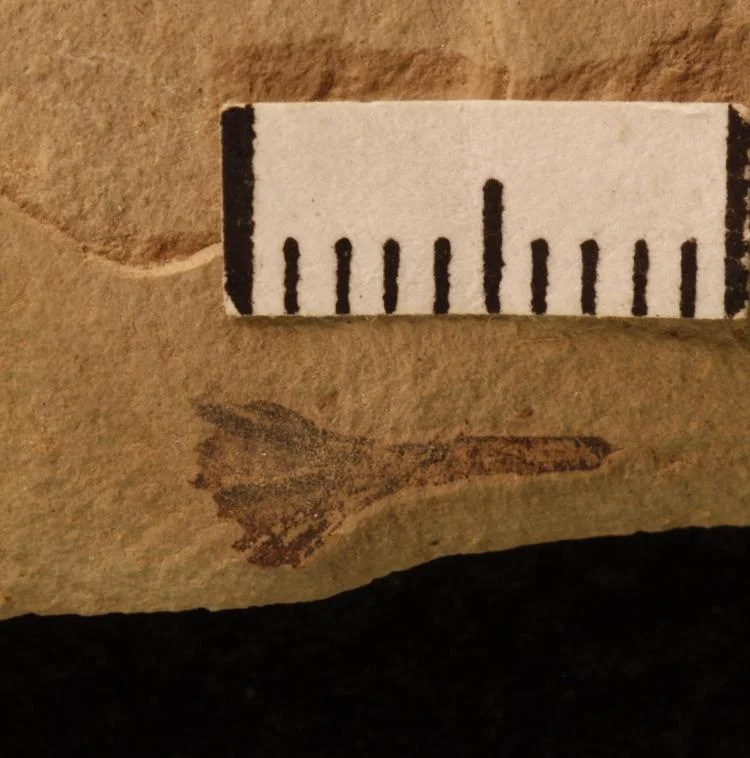
Researchers were able to examine three well-preserved fossils, two of which were uncovered by the university while another came from the Denver Museum of Nature and Science. Each grew near the Green River Formation that lies between northwestern Colorado and southwestern Wyoming. For the Eocene period, which existed over 34 to 56 million years ago, the Green River Formation is a pivotal fossil site.
One of the samples that were collected had visible spikes on the end of its stem. Rocio Deanna, lead author of the study said, “At first, I thought, ‘No way! This can’t be true. But it was so characteristic of the chili pepper.” The characteristic Deanna is referring to is called a calyx, which is the green, hat-like part of the stem that’s attached to the top of the chili. Co-author Stacey Smith added, “The world has maybe 300,000 plant species. The only plants with that kind of calyx is this group of 80 or 90 species.”

After noticing the spikes, the researchers decided to compare their North American samples with a nightshade fruit fossil from the Esmeraldas Formation in Colombia, South America. As it turned out, it shared the same timeline. That means that this special pepper family had already begun to spread across the Americas as far back as 50 million years ago.
“These chili peppers, a species that we thought arose in an evolutionary blink of an eye, have been around for a super long time,” Smith shared. “We’re still coming to grips with this new timeline.”

What makes the discovery even more interesting is its location. Colorado is known for only producing a few nightshades and no chili peppers, which might mean that at one point chili peppers did naturally grow there.
Smith says, “A lot of discoveries happen decades after the specimens have been collected. Who knows how many other new fossil species are sitting in any of these museums? They’re just waiting for the right eyes to look for them.”