









Scientists Are Turning Plastic Bottles Into Edible Cookies
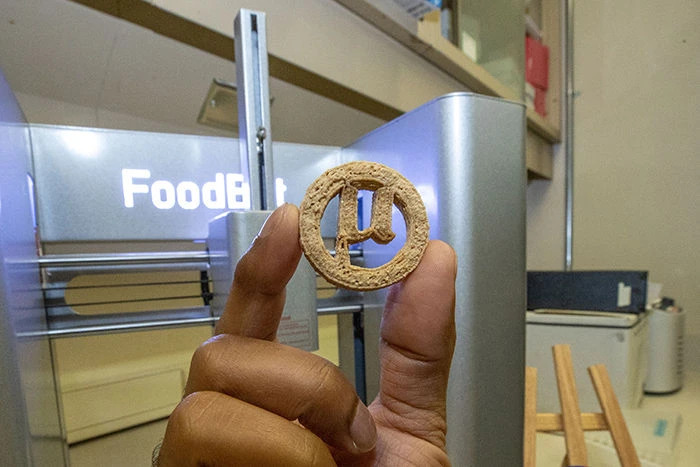
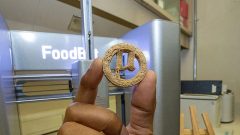
Researchers have figured out how to make 3D-printed cookies using plastic waste, and nope, we’re not talking about children’s play food.
Led by Associate Professor Lahiru Jayakody, the research, presented at an American Chemical Society symposium at Chicago’s McCormick Place in August, involves reprogramming yeast to convert plastic and agricultural waste into edible proteins and flavor compounds.
If the idea of eating cookies made from plastic sounds like nightmare fuel, there’s an important distinction: The researchers use microbes to transform waste into ingredients rather than putting plastic directly into the dough. The team developed the cookies for NASA’s Deep Space Food Challenge, so they’re more likely to see stars than store shelves.
The researchers call their creation “µBites,” pronounced “microbites,” after the Greek letter µ, which represents the metric prefix “micro,” or one-millionth.
Beyond giving astronauts another potential food source, the research could offer a new way to upcycle plastic and agricultural waste into protein-rich ingredients, with possible applications for addressing food shortages here on Earth.
The team also engineered yeast strains to produce compounds that improve the cookies’ flavor, aroma, and color, including vanillin, which gives vanilla its familiar flavor and aroma, and beta-carotene, a precursor to vitamin A.
Like yogurt, kombucha, beer, and wine, µBites rely on microbes. The difference is the starting material: Instead of conventional food ingredients, researchers use waste as a feedstock to produce edible compounds.
Next, Jayakody and his team hope to refine µBites by using microbes to produce additional ingredients, including starch, fiber, and sweeteners. The researchers see microbial food production as one potential way to meet rising global food demand while reducing waste.