









This Is What A Sailor Would Have Eaten On Columbus’ Ship
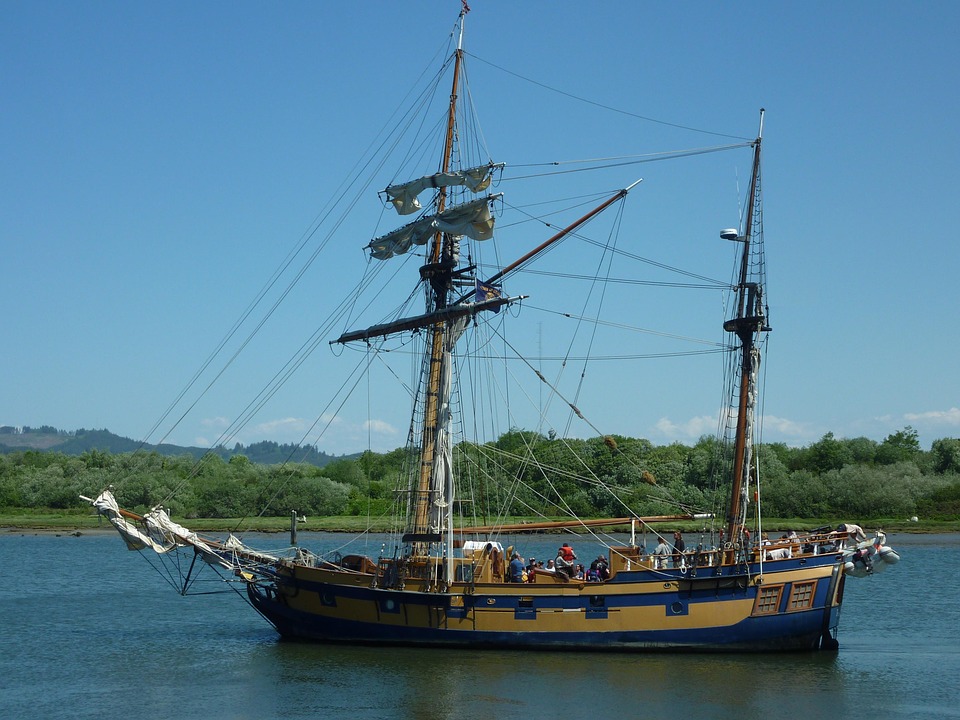
Back in the voyaging days of pioneers like Christopher Columbus and James Cook, ship travel was a lot different from what it is now. You were lucky if you could make it 100 miles in a day, and voyages could take years to get to other countries.
With that in mind, fresh food was basically all but out of the question for these voyages. What sailors ate typically didn’t provide optimal nutrition, but was filling and caloric enough to keep them going through the grueling voyage days. Here’s some examples of what sailors were able to eat on their voyages:
Dried Beans, Peas, and Rice

These dried foods were probably the most nutritious items sailors would eat. Often boiled and just eaten straight (sometimes with salted meats), this was the kind of meal that would keep the ship warm through the day that sailors could enjoy quickly. Between these three items, you had fiber, some vitamins and minerals, and protein coming in that sailors needed to keep up their strength.
Ale, Wine, and Hard Liquor

Forget fresh water, this is how hydration was usually done aboard ships. Finding fresh water in the middle of the sea was very difficult (and filtration wasn’t possible the way it is now on ships). Fermented beverages were the way to go to combat the salty diets and dehydration that would often plague sailors. There’s a reason that the term “drunken sailor” is so ingrained into our history.
Salted Meats, and Flour Mixed With Fat

Diets were pretty salty for sailors, because salt was (and still is) a huge form of food preservation. Salted items like cod, pork, and beef were very common to eat in diets, and provided necessary fats and complete sources of protein for sailors. If the meat rations were running low on long voyages, fat would often be mixed into flour and fed to the sailors in place of meat. Yum.
Hardtack Biscuits

The sailor’s meager substitute for bread was this insanely hard chunk of biscuit. Made basically with just water and flour, the bread was often really hard and tough to eat through, but was a key part of nutrition for sailors. It was made this way because it could last through the tough voyages in such hard form — but would often be infested by bugs, which the sailors would eat anyway. More protein, I guess.
With such limited diets, its no wonder many sailors came down with diseases like scurvy while on voyages. Thank goodness for the nutritional advances we’ve made in this day and age for traveling food, otherwise there would be a lot more disease going around the world today. I shudder to think about having to live on those foods for up to months at a time, without access to refrigeration, freezers, or even a stove to cook food on. Thank goodness for modern technology.