





6 Black Restaurateurs Making Major Moves Across the U.S.
America’s dining scene is an ever-changing landscape. Each year, thousands of new restaurants open nationwide, many of which are helmed by small business owners who invested every penny they had, in hopes of becoming a success. That’s particularly true of Black restaurateurs, considering that only 3.4% of U.S. businesses are Black or African-American owned, according to data from the U.S. Census Bureau.
Running a restaurant isn’t easy. So when any Black restaurant owner wins, it’s a major win for the entire culture. For them, the road to success is often paved with prejudice, which puts Black diasporic cuisine into box, limiting its potential to be more than what people know it to be. But as more and more people take control of the narrative, the grip of prejudice loosens.
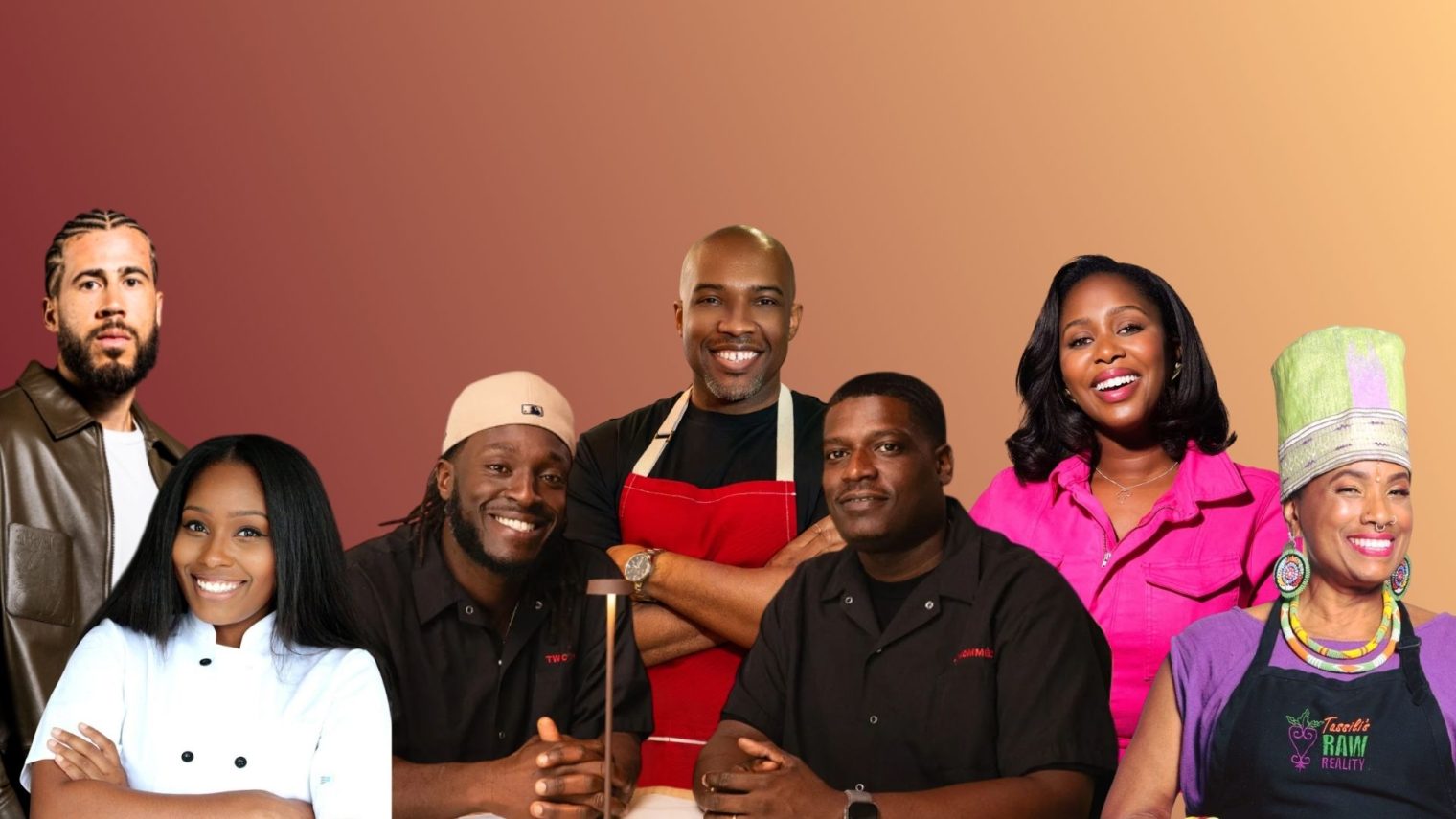
In this spirit, we’ve chosen to highlight six Black business owners shaking up America’s dining scene.
Beverly Hills, CA
BUSINESS TYPE:
An AfriCali concept Studio + Kitchen led by an acclaimed cookbook author.
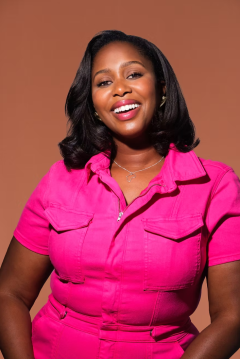
By blending her Kenyan/Nigerian roots with her California upbringing, Kiano Moju, author of acclaimed cookbook “AfriCali” and founder of the culinary brand “Jikoni,” uses food to help reshape the narrative surrounding African cuisine.
“[People] attribute food in Africa to lack of food because of all those late night PSA ads we grew up having. It’s not even misconceptions. People aren’t even thinking about [African food],” Moju says. Jikoni, which means “kitchen” in Swahili, started as a roving pop-up to showcase recipes from her cookbook, later growing into a permanent studio and kitchen in Beverly Hills, where Moju hosts monthly dinner parties, cooking classes, and culinary events.
She says that for many people, African food “feels like something to try once versus something that can fold into your everyday eating routine.” But hopes to change that with Jikoni Studio, which was designed to resemble her dream home and kitchen. Amid a cozy setting, Moju awakens palates with Nigerian-inspired lentil akara fritters, saucy Swahili chicken biryani, lamb suya with attiéké, and more, inspiring guests to venture further into the diverse world of African cuisine.
Washington D.C.
BUSINESS TYPE:
An intimate cocktail bar at the forefront of authentic cell phone-free connection.
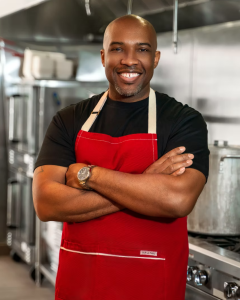
For founder Rock Harper, Hush Harbor centers around the power of being present. Unlike the illuminated handhelds that haunt traditional cocktail bars, guests are asked to lock their cell phones away in a pouch before entering. The only distractions are the friends you come with, the conversations you might spark up with strangers, or one of the myriad of fun, analog games or activities available inside. The Hell’s Kitchen-winner has curated a space for authentic connection, one that hearkens back to pre-iPhone days.
That said, its warm, yet lively brick-lined décor is far from hushed, as patrons are forced to interact. Cocktails like the Bees Knees and Elderflower Spritz made with Ten To One Rum, a Black-owned company, make it easy to exorcise those ghost notifications. And a menu of soul food classics, including savory shrimp remoulade, Cajun red beans with smokey turkey chunks, and buttery cornbread, are as mindfully considered as the concept itself. Don’t worry, you’re allowed to keep your cell phone in case of emergency—you’ll just have to step outside to take calls.
Atlanta, GA
BUSINESS TYPE:
A raw vegan eatery reshaping the culinary landscape of a historic Black neighborhood.
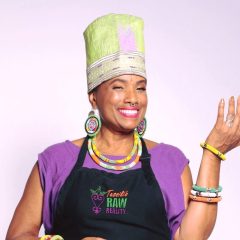
Tassili’s Raw Reality is the epicenter for raw vegan food in the West End, a historic Black neighborhood located in Southwest Atlanta. It was founded in 2011 by chef and cookbook author Tassili Ma’at, during a time when plant-based options were a rarity not only in the area, but in the city as a whole. Ma’at’s forward-thinking approach, fueled by a desire to empower and educate Black people about holistic living, has been a much-needed source of alternative nourishment.
Her mission is underscored by too glaring facts, one being that around 58% of Black Americans live with high blood pressure, per the American Heart Association, and that a plant-based diet is proven to reduce high blood pressure.
Today, people flock to Tassili’s Raw Reality for its massive raw vegan wraps, like the standout Punany wrap filled with soy-free mayo, sweet coconut corn, karamu couscous, avocado, and TRR’s signature kale salad stuffed with soy bacon bits, which can be ordered mild, mixed, or spicy. It’s one of seven delicious wraps on the menu, along with salads, raw desserts, smoothies, and fresh-pressed juices.

Los Angeles, CA
BUSINESS TYPE:
A new, picturesque fine-dining experience that pushes the boundaries of Black diasporic cuisine.
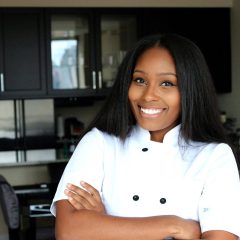
When Sam Jordan set out to open an Afro-Caribbean restaurant in one of the world’s most bustling culinary hubs, it was extremely important that he avoid the pitfalls of being typecast. “Our priority was hitting every touchpoint that makes a restaurant truly great, not over-emphasizing on one element at the expense of another. For me, excellence had to be holistic,” he says. Jordan speaks to a particular box that Black diasporic cuisine is often confined to. In his case, one that perpetuates the stereotype that Afro-Caribbean food is not fine-dining.
“As a Black-owned restaurant serving food of the African diaspora, with a DJ playing reggae, afrobeats, and hip-hop, I knew it would be easy for people to put us in a narrow box,” he adds.
In 2025, he finally opened the doors to what has been called one of Los Angeles’s most exciting fine dining experiences. With Lucia, Jordan has created a restaurant that simultaneously stuns and subverts expectations, elevating how one experiences Afro-Caribbean cuisine to new heights without losing the island essence. “My hope is that now, after seeing the city and the culinary world respond the way they have, those conversations will become less necessary.”
Chicago, IL
BUSINESS TYPE:
A burgeoning Keith Lee-approved soul food chain
Black-owned restaurant chains aren’t as widespread as you’d expect. And the ones that do exist only operate a handful of locations. So when Kristen Ashley, owner of Cleo’s Southern Cuisine in Chicago, opened her third outpost on the North Side earlier this year, less than six years after launching the Bronzeville flagship, she joined a class of Black restaurateurs that have accomplished what few others have.
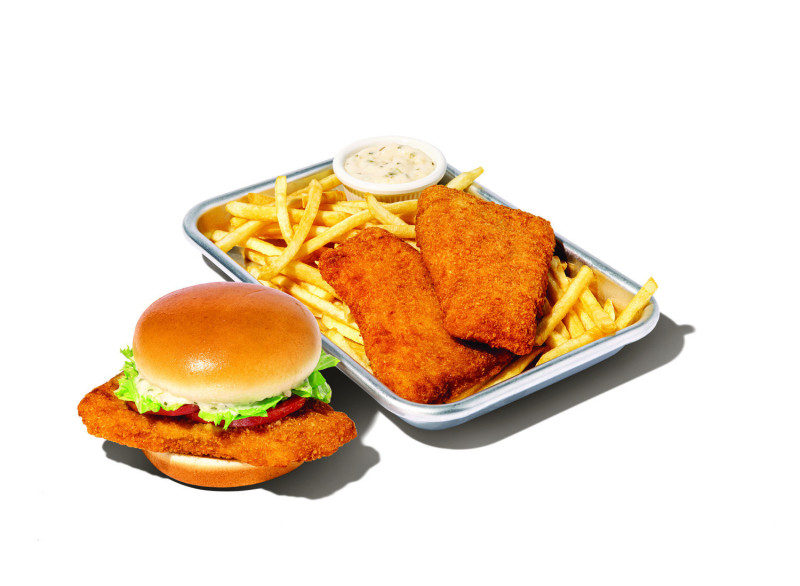
Cleo’s serves homegrown family recipes amplified by Ashley’s modernized approach. 24-Carat Gold muffins glistening with honey butter, extra creamy mac and cheese, and crisp, Creole-spiced fried fish are just a few menu items that make it a must-try destination.
With notable mention from respected outlets such as the Michelin Guide, Essence Magazine, The Infatuation, Fox 32 News, the Chicago Tribune, and two 10 out of 10 reviews from Keith Lee, Cleo’s seems poised for continued success.
Inglewood, CA
BUSINESS TYPE:
A Los Angeles Times 101 Best Restaurants-winner revitalizing the historic Black neighborhood of Inglewood.
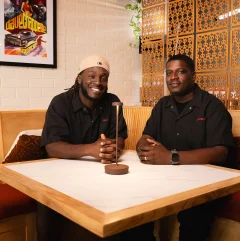
South of the 110 Freeway, a magnetic duo is attracting Angelenos from all parts of the city—and beyond—with an inventive blend of West African and Southern Californian cuisines. For chefs Abdoulaye Balde and Yaw Marcus Johnson, establishing Two Hommés in their hometown of Inglewood was the intention all along. “I just think right here in our backyard, 10-15 minutes from the crib, people can just slide down La Brea and have an experience that they never realized they can have in Inglewood,” says Johnson, who everyone calls Chef Mando.
Two Hommés has undergone several upgrades since launching as a pop-up in 2020. Its current iteration, curated with the help of cookbook author Kiano Moju and Sage deLisser’s design firm Zōxa, finally offers an elevated ambience indicative of its thoughtfully-crafted cuisine. An inviting setting that helps to reposition Inglewood as one of LA’s must-visit culinary hubs.