











How The US Government Is Preventing The Impossible Burger From Entering Grocery Stores
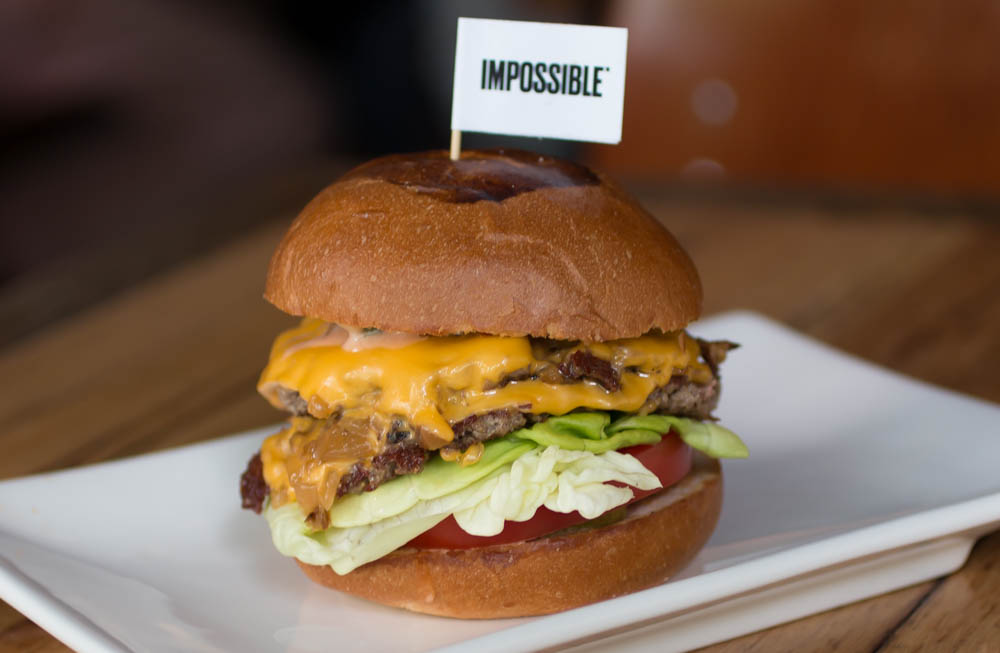
Photo: Isai Rocha/Foodbeast
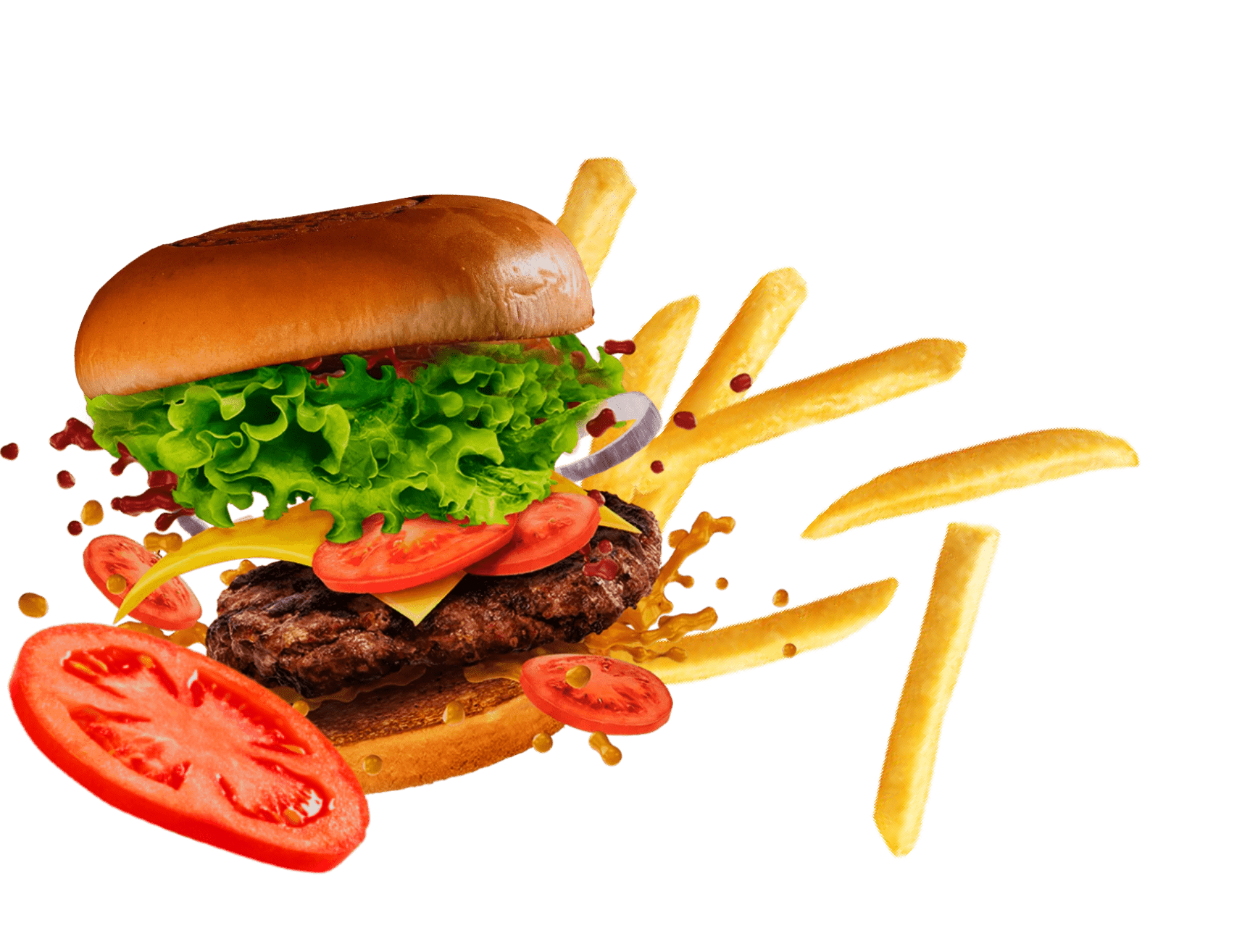
Ever since the plant-based bleeding Impossible Burger began appearing in restaurants, one of the biggest questions consumers have had for the creator, Impossible Foods, is when the patties will begin appearing in stores. We now have a little clarity into that answer, as the U.S. government has managed to put a temporary halt on Impossible Foods’ progress towards that goal.
As part of the process to ensure that their juicy vegan patties can be sold in grocers around the nation, Impossible Foods has been trying to get the Food and Drug Administration (FDA) to approve their key ingredient, leghemoglobin (or “heme,” as the company calls it), as a Generally Recognized As Safe (GRAS) substance. They’ve already submitted a full GRAS notification report and petition that shows extensive safety tests the company has conducted to ensure that the leghemoglobin, which comes from the roots of soybean plants and is cultured by yeast to manufacture at a high level, is safe for human consumption.
The FDA, however, was not convinced by Impossible Foods’ research. A memo obtained by the New York Times revealed that potential allergen concerns and the notion that leghemoglobin hasn’t been consumed by humans before up to this point prevented the FDA from approving Impossible Foods’ initial petition. The company can still sell its burgers in restaurants, however, because there was insufficient evidence to prove that their key ingredient isn’t safe to eat.
Impossible Foods does plan to resubmit their petition, which gives the FDA several options. If Impossible Foods does have enough new research that shows their leghemoglobin does not induce allergic reactions, they may grant the ingredient GRAS status and open the gateway for Impossible’s burgers to start appearing in grocery stores. The FDA could also go the way they did with miraculin back in the 1970s. This sugar-free, protein-based sweetener was controversially classified as a food additive, meaning that more extensive and expensive toxicological research would need to be conducted before leghemoglobin would be allowed to be used in a food product for stores. While companies that made miraculin didn’t have the funds to conduct that research in the 1970s, Impossible might be able to conduct that research and get their “heme” approved for sale in grocery stores.
If that doesn’t happen, the Impossible Burger will likely be relegated to the upscale restaurants that it is currently served at and hopefully make its way across the entire country through that method at some point. Hopefully, leghemoglobin eventually does get approved by the FDA though, and we’ll be able to purchase and experiment with this bleeding vegan burger meat for ourselves.