















Amazon Is Shutting Down Its Grocery Stores—And Doubling Down On Delivery And Whole Foods
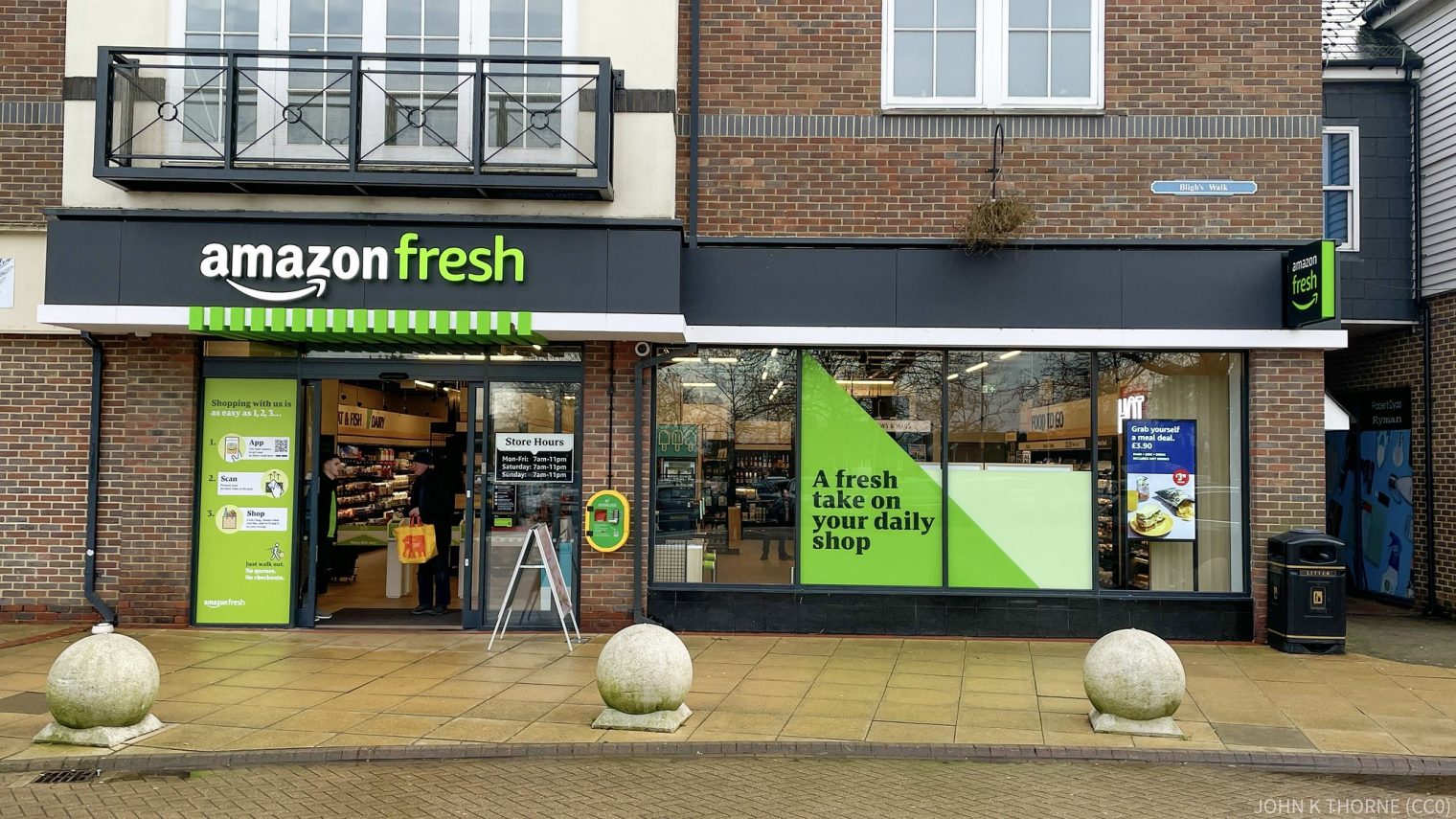
Amazon is pulling the plug on its Amazon Go and Amazon Fresh physical stores, marking a quiet but telling shift in how the company wants to show up in people’s food lives.
In a company announcement, Amazon said the decision followed a review of its Amazon-branded grocery stores, noting that while there were “encouraging signals,” it hadn’t found a customer experience and economic model that could scale effectively. Translation: the stores worked in theory, but not in a way that made sense long term.
Some of the closing locations will be converted into Whole Foods Market stores. Amazon Fresh will continue operating online in markets where delivery is available.
The move doesn’t signal Amazon stepping away from groceries. It signals Amazon deciding where it actually fits.
Over the past few years, Amazon’s grocery momentum hasn’t come from aisles or checkout-free tech. It’s come from delivery. The company now delivers groceries in more than 5,000 U.S. cities and towns, and since adding fresh and frozen foods to Same-Day Delivery in 2025, it says sales of perishables through that service have grown sharply. More expansions are planned for 2026.
At the same time, Amazon is doubling down on Whole Foods Market, the grocery brand it acquired in 2017. Whole Foods now operates more than 550 locations and has seen notable gains in both sales and foot traffic, according to Amazon. The company plans to open more than 100 new Whole Foods stores in the coming years, including additional locations of its smaller Daily Shop format.
Put together, the strategy feels less like a retreat and more like a correction.
Amazon doesn’t need to convince shoppers how grocery shopping should feel. Whole Foods already has trust, habits, and identity built in. Amazon’s real advantage is speed, logistics, and scale—getting food to people quickly, not redesigning the emotional experience of wandering a store.
Amazon said it is working to place employees affected by the closures into other roles within the company, reinforcing that this is a reallocation of resources, not a shutdown.
In the end, Amazon isn’t abandoning grocery. It’s accepting a simpler truth: people want Amazon for convenience, and they want Whole Foods for food.