







Foodbeast Ventures’ First Investment Is A Gen Z Hummus Brand—Here’s Why
Media companies love to say they believed early in a brand. Foodbeast decided to put actual money behind the belief.
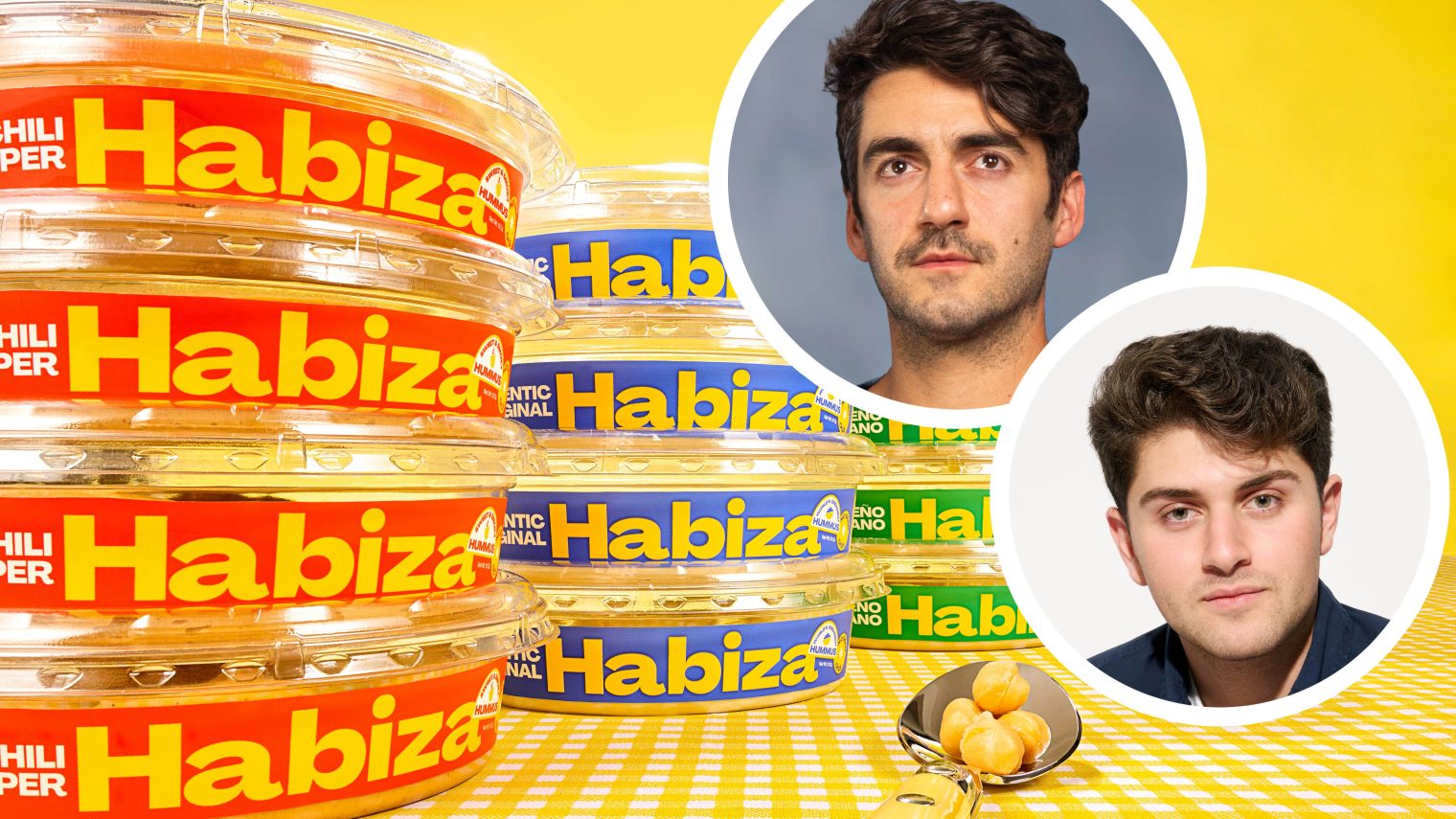
This week, Foodbeast announced its first move under its newly formed investment arm, Foodbeast Ventures, by taking a stake in Habiza, the fast-rising hummus brand that recently became the top-selling hummus at Erewhon. On paper, a media company investing in a consumer brand isn’t exactly novel. In practice, the way this came together says a lot about where Foodbeast thinks food media is headed, and why Habiza made sense as the first bet.
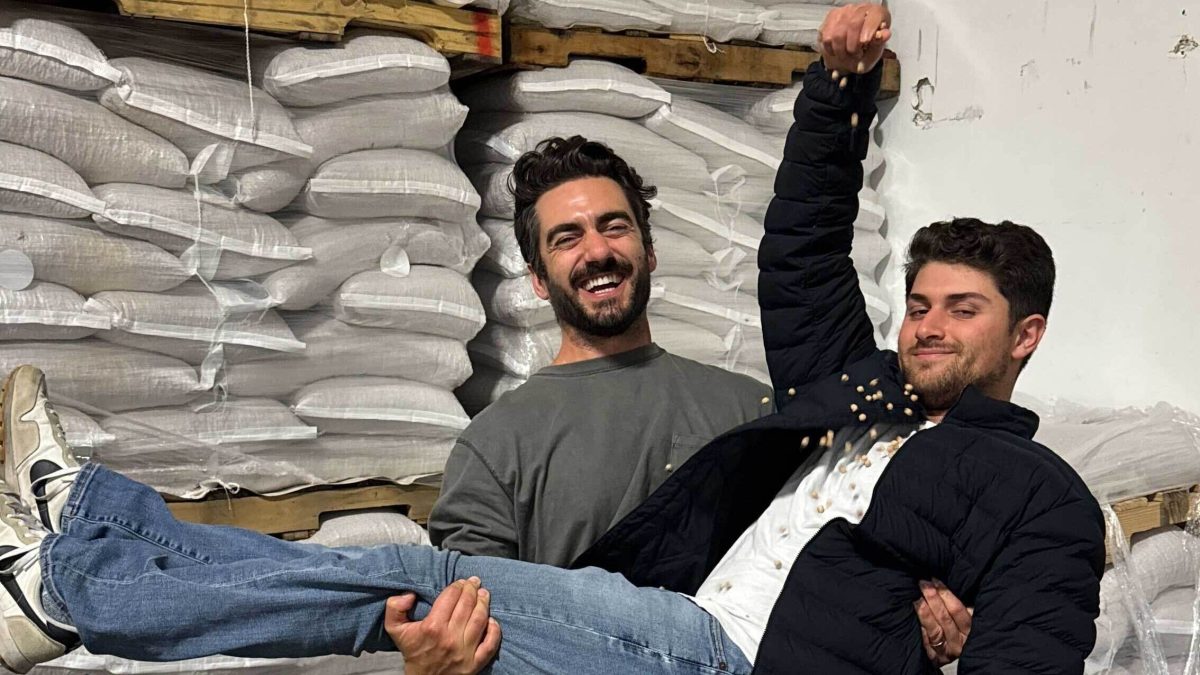
The origin story starts with doubt. Specifically, Foodbeast co-founder Elie Ayrouth’s.
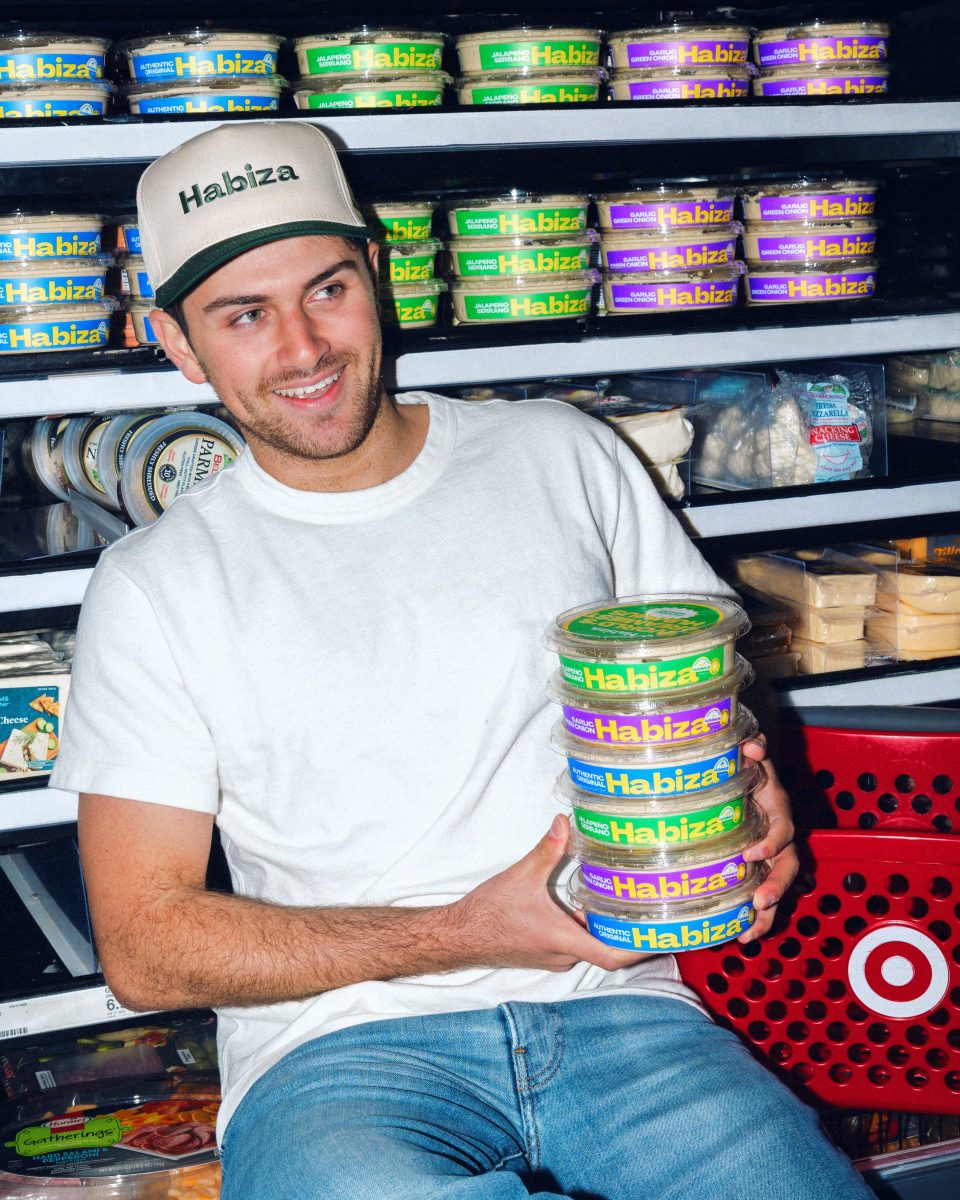
“I’ve pretty openly hated packaged hummus for years,” Ayrouth told me. Before agreeing to any meeting, he drove to Target, bought a tub of Habiza, opened it in his car, and ate it with his finger. “If it wasn’t good, I wasn’t taking the meeting. With something as personal as hummus to a Lebanese guy, I didn’t want to platform some nasty shit.”
It passed what both Ayrouth and Habiza’s founder Jonathan “Jono” Srour called the finger test. And that detail matters more than it sounds.
For Srour, the finger test isn’t a gimmick. It’s how hummus is judged at home across much of the Middle East. You dip your finger in, look for graininess from improperly broken-down chickpeas, check viscosity, then taste. Too thick and it’s pasty. Too loose and it falls apart. The goal is a precise balance between creamy and structured. “That’s the whole thing,” Srour explained. “With perfect breakdown. No dots.”
Habiza exists because Srour couldn’t find that balance on grocery shelves. Before retail wins or being Erewhon’s top-selling hummus, the problem he wanted to solve was basic. Most packaged hummus didn’t taste right to him. The texture was off. The branding and communication didn’t bring anything exciting to the category. “Ingredients are important,” he said, “but taste, texture, and how it’s presented were the real gaps.”
When Foodbeast first reached out, the relationship was casual. A phone call. A factory visit. Mutual curiosity. When Ayrouth learned Srour was fundraising, he joked, “Bro, let me get in.” Srour wasn’t sure if it was a joke. He texted Ayrouth later that night to ask. The reply came back within minutes. A joke it was not.
That moment shifted the conversation. What started as a potential angel check turned into something broader. Srour didn’t just need capital. He needed infrastructure, storytelling muscle, and a partner who understood how modern food brands actually grow. Ayrouth, along with Foodbeast partners Chris Abouabdo and Marc Kharrat, didn’t want to be passive investors offering discounted services on the side. They wanted alignment.
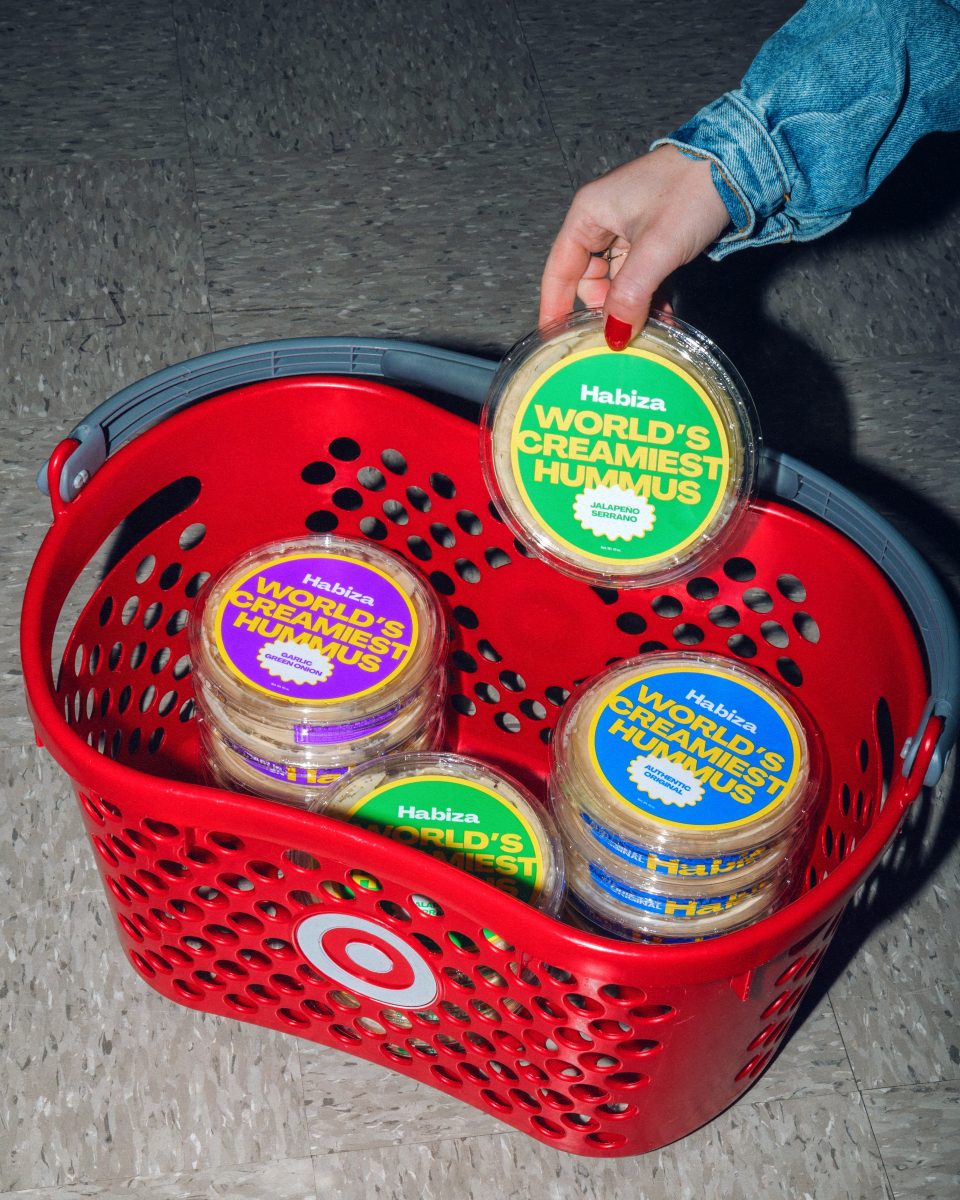
What emerged was Foodbeast Ventures, built on what Ayrouth describes as a simple framework: half data, half gut. Foodbeast’s audience reaches over a hundred million monthly impressions. Their agency arm, led by Kharrat, Foodbeast’s longtime content lead, works daily with social-first food brands. Over time, that exposure turns into pattern recognition. What travels. What sells. What packaging stops a scroll. What color background makes hummus more clickable in social videos.
Habiza already had proof points. The brand grew 333 percent in a single year. Despite limited distribution, it posts one of the highest unit and dollar rates of sale in its category. Its classic hummus ranks among the top unit velocities in natural retail, and it has become one of the fastest-growing refrigerated hummus brands in the channel. Expansion into divisions of Albertsons, Giant Food, and many more are already underway.
But numbers alone weren’t enough. When Ayrouth visited Habiza’s facility, he noticed details that don’t show up on spreadsheets: chickpeas kept cold, cooking methods that mirrored home kitchens, tahini that tasted right. Srour made the deliberate decision early on to invest in U.S.-manufactured tahini using white sesame, sourced from a producer with top FDA ratings. Overseas tahini carries contamination risks and inconsistent quality. This wasn’t cheaper, but it scaled better and protected the product.
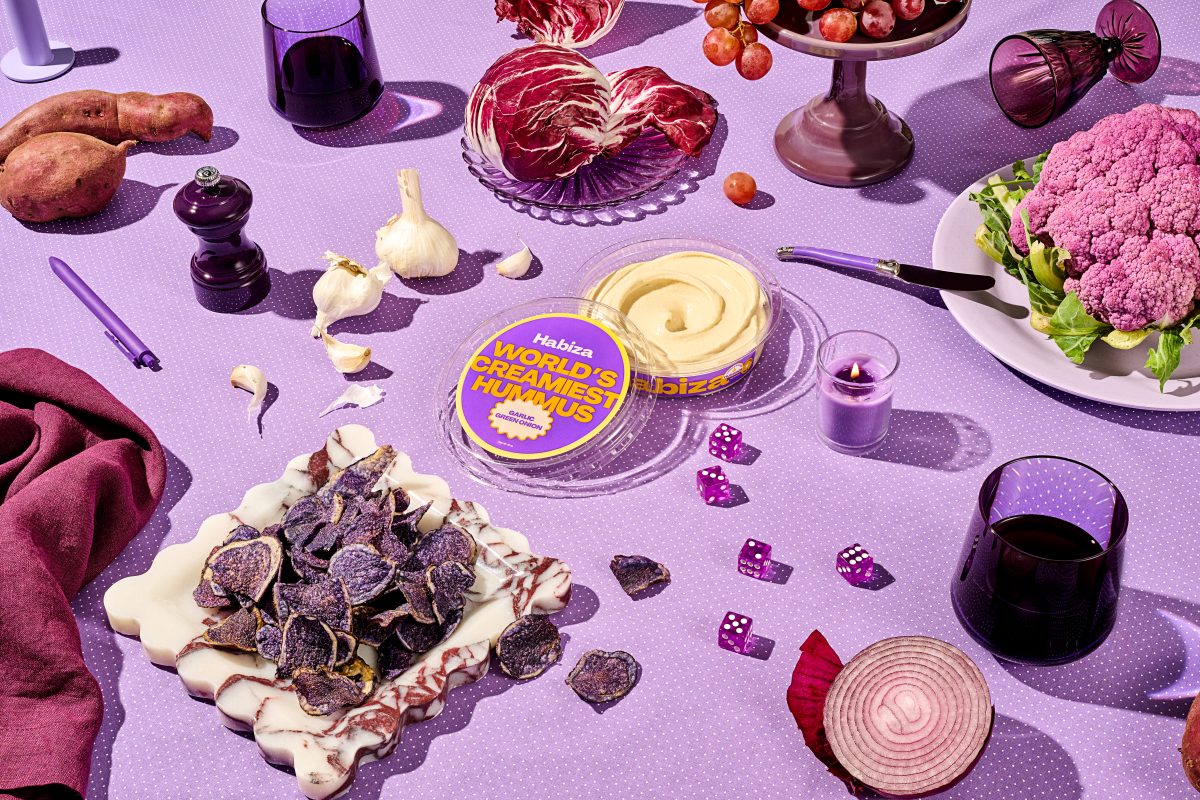
Scaling texture, not supply chain, turned out to be the hardest part. Srour obsessed over eliminating graininess while maintaining profitability at volume. Small-batch mixers. Borrowed ideas from peanut butter milling and mashed potato processing. Endless testing. “We treated it like a puzzle,” he said. The result is what Habiza now confidently calls the creamiest hummus you’ll eat, built to hold its integrity at scale.
That obsession is what made Foodbeast lean in. “We’re all some shade of Lebanese,” shared Ayrouth. “The hummus we grew up with was homemade. Packaged hummus was a joke. When we tried this and stopped laughing, we knew we wanted in.”
The partnership goes beyond equity. Foodbeast will act as Habiza’s creative and strategic partner, helping the brand behave like a media company in its own right. Short-form series. Recurring characters. Expanding hummus beyond a dip into an everyday use case. Srour sees this as category-building, not just brand-building. “If this works,” he said, “hummus becomes something you use everywhere, for everything.”
That ambition reflects a broader shift. Legacy food brands are struggling to keep pace while small founders build in real time, with audiences watching closely. Clean labels are no longer a differentiator. They’re baseline. The tools to disrupt food are available, and the gatekeepers aren’t as locked as they once were.
So is this about Habiza, or about Foodbeast redefining what a food media company can do?
The answer lives somewhere in the overlap. Foodbeast isn’t walking away from storytelling. It’s doubling down on it, this time with skin in the game. Habiza just happens to be the first brand that made a seasoned skeptic pull over in a parking lot, open a tub, and eat hummus with his finger.