














Recent E. Coli Outbreak In Romaine Lettuce Is One Of The Worst In US History
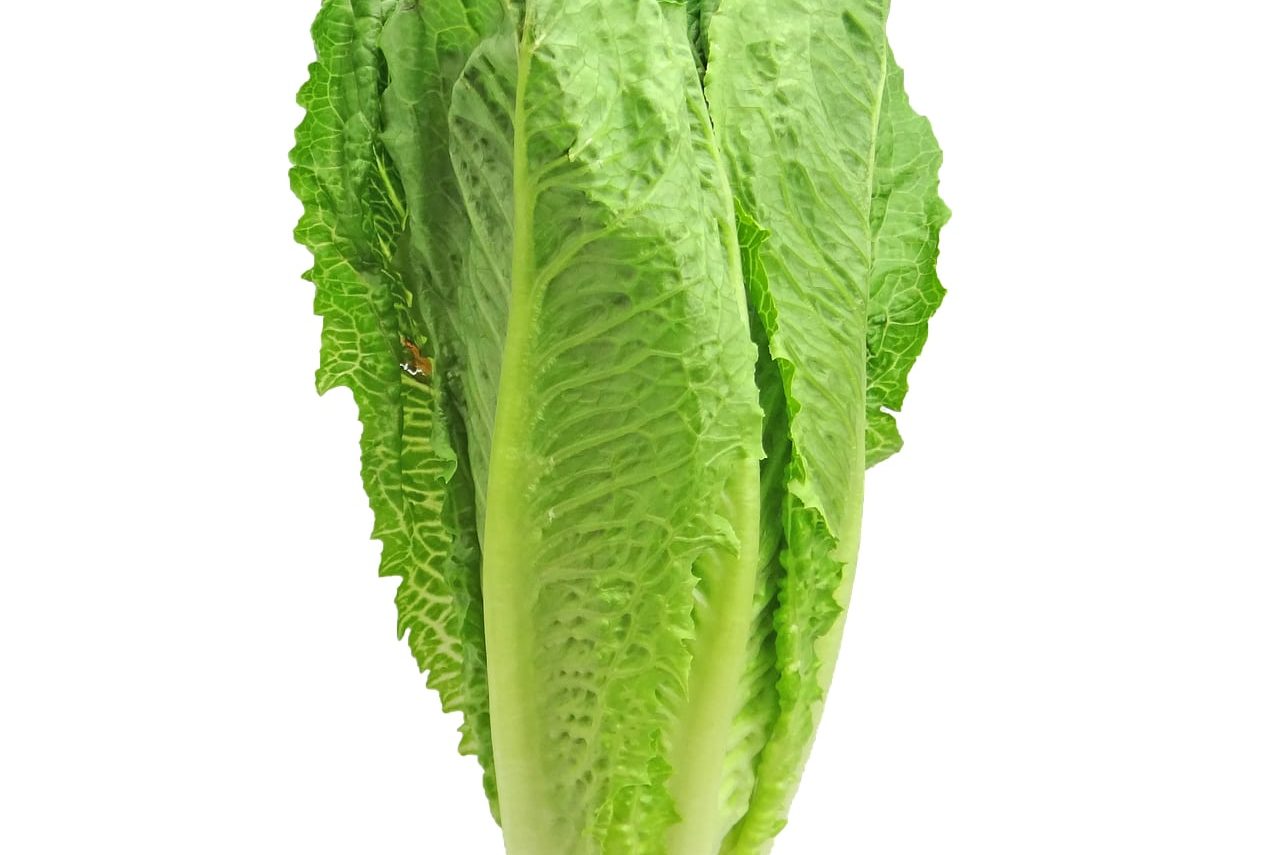
Over the past few months, the romaine lettuce industry out in Yuma, Arizona has been weathering a severe E. Coli outbreak. While the immediate threat of food poisoning for consumers no longer exists, the newest numbers of who were affected by the CDC make it one of the worst in history.

Based on the CDC’s latest report, at least 197 people fell ill across 35 states due to E. Coli O157:H7 found in the romaine. Of that number, 89 were hospitalized and 5 deaths were reported. At least 6 illnesses and another death linked to the same lettuce were also reported from Canada.
The spread and count of those infected is on par with the big spinach E. Coli O157:H7 scare that occurred in 2006. Considered to be the worst outbreak of its kind in modern US history, 238 illnesses were reported, with 103 hospitalized and 5 deaths.
Another similar massive food poisoning outburst with E. Coli O157:H7 occurred with Jack in the Box in early 90s, where over 700 got sick and 3 died.
This year’s romaine lettuce outbreak mirrors those numbers, giving it an unfortunate place as one of the worst and deadliest E. coli outbreaks in US history.
The FDA continues to investigate the outbreak of E. coli O157:H7 infections associated with romaine lettuce from the Yuma growing region. Any contaminated product from the Yuma growing region is no longer available for consumption. https://t.co/SLzU5BQ4AS pic.twitter.com/bRe74Kg8O6
— U.S. FDA (@US_FDA) June 1, 2018
E. Coli O157:H7 is a special strain of the bacteria that produces a toxin that can induce something called Hemolytic Uremic Syndrome. This disease can lead to kidney failure, has a 5 percent mortality rate. 26 of those affected by the romaine poisonings developed this condition.
What’s concerning for the food industry is that E. Coli outbreaks have been reported in fresh produce. Beef is the normal item of concern with this bacteria, and proper heat treatment can kill off sufficient amounts to prevent food poisoning. Since lettuce isn’t typically heat-treated, though, the microbes can easily grow and induce toxicity.
There are some “cold pasteurization” methods that the industry does have that can potentially treat lettuce. One of those is irradiation, a food-safe burst of radiation that is already approved for usage in spinach and iceberg lettuce. Potential usage in romaine is unlikely, however, given that the dosage can produce some softening and ruin the lettuce’s texture. Consumers are also very against any form of radiation on their foods, meaning that even if romaine could be irradiated, it likely would not be bought.
Another potential technique the industry has in its arsenal is pulsed electric field treatments. Intermittent, quick blasts of electricity are used to kill or inactivate microbes without heating up the food significantly. It works well in liquids, but research on solid foods like romaine is still scant.
Hopefully, science can figure out how to use these or other methods to get rid of pathogenic E. coli on our produce. For now, though, we can breathe easy, as all of the romaine that may have been contaminated in this outbreak is long gone.