

San Francisco Just Took Coca-Cola, Nestlé, And Others To Court Over Processed Foods
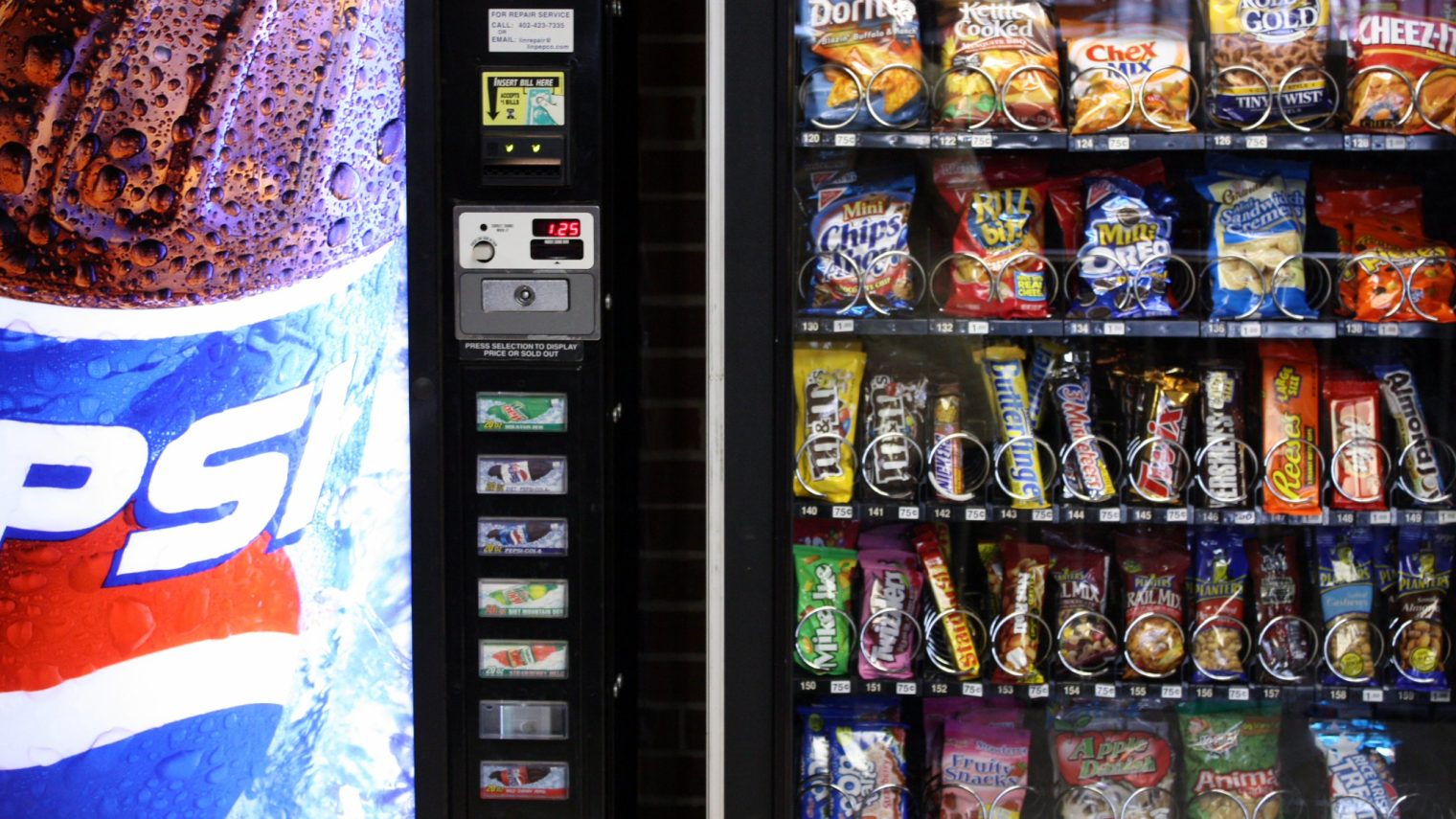
Last Tuesday, San Francisco filed a lawsuit against several major food manufacturers, accusing the companies of creating ultra-processed food that has contributed to a public health crisis. Ten companies were named in the lawsuit, including Coca-Cola and Nestlé.
The lawsuit, which is being led by city attorney David Chiu, links foods like OREO cookies, Sour Patch Kids, KitKat, Cheerios, and Lunchables to diseases such as Type 2 diabetes, fatty liver disease, and cancer.
“They took food and made it unrecognizable and harmful to the human body,” Chiu said in a news release. “These companies engineered a public health crisis, they profited handsomely, and now they need to take responsibility for the harm they have caused.”
According to the release, Chiu said that ultra-processed foods are designed to “stimulate cravings and encourage overconsumption.”
The other companies named in the lawsuit include PepsiCo, Kraft Heinz Company, Post Holdings, Mondelez International, General Mills, Kellogg, Mars Incorporated, and ConAgra Brands.
It comes on the heels of an attempt by the U.S. Health Secretary, Robert F. Kennedy Jr., to eliminate ultra-processed foods from the Supplemental Nutrition Assistance Program (SNAP) for low-income families, through his Make America Healthy Again campaign.
According to an August report by the U.S. Centers for Disease Control and Prevention, more than half the calories consumed by most Americans come from ultra-processed foods. And in October, California Governor Gavin Newsom signed the first-in-the-nation law to eliminate certain ultra-processed foods from school meals over the next 10 years.
The city of San Francisco seeks a court order that prevents deceptive marketing, requiring companies to educate consumers on the potential health risks of ultra-processed foods. It also asks that local governments impose financial penalties on companies to cover the health care costs of those affected.
“Snacks” by Becky, CC BY-NC-SA 2.0