

















Japan Faces Matcha Supply Shortage As Global Popularity Rises
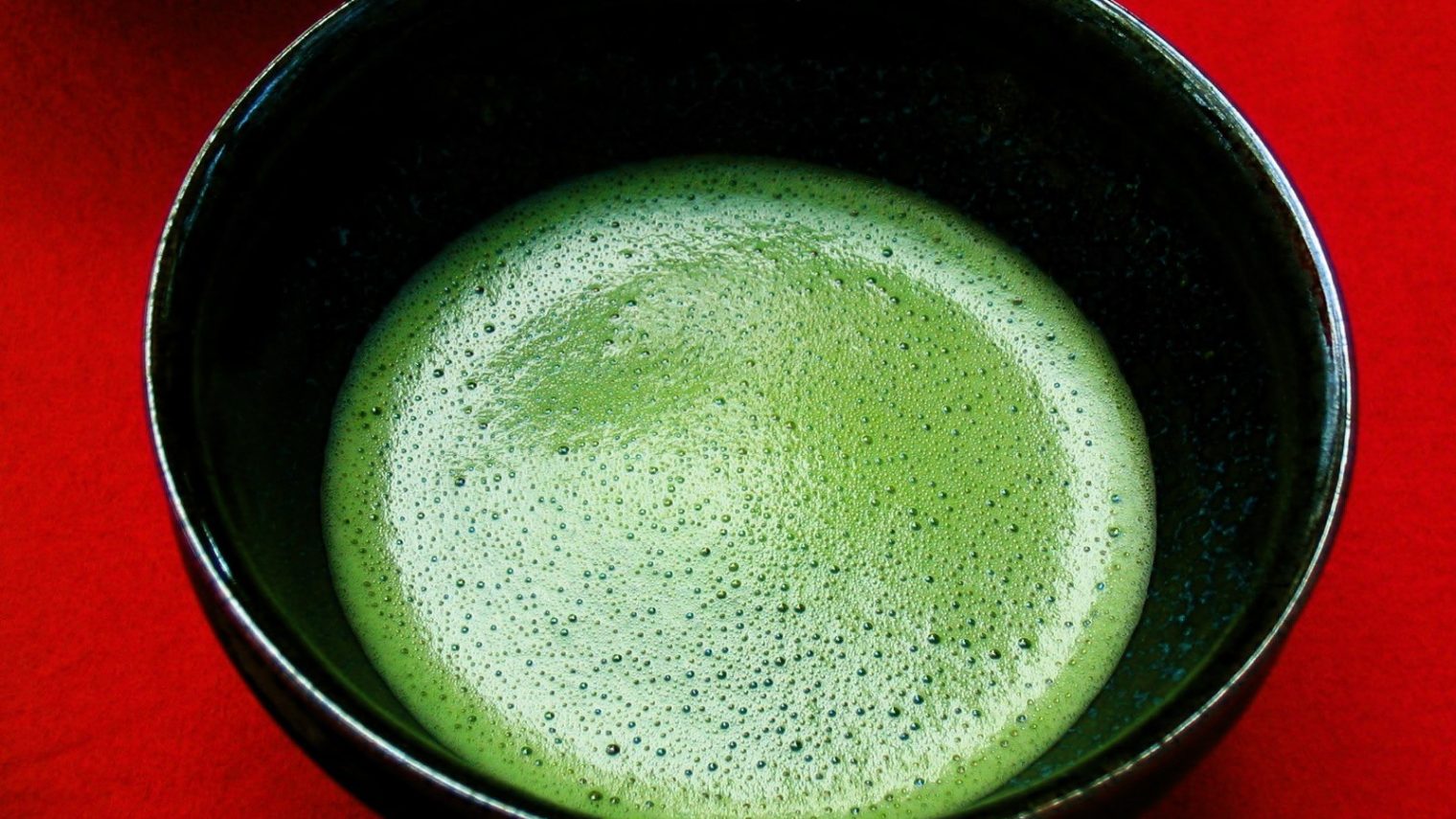
Japan’s tea industry continues to struggle to meet global demand. The trend began in 2024 with Ippodo and Marukyu Kyoamaen, two well-known tea companies that, in an unprecedented move, set purchase limits on finely ground tea powder. Products from these companies and others began selling out at stores across Japan, leading to a rumor of an impending matcha shortage last fall.
First-flush matcha powder has taken the biggest hit. It’s a limited tea powder that is only harvested once a year. While traditionally used for tea ceremonies, first-flush matcha has become popular as an everyday tea among international consumers.
Suppliers will restock in April when the 2025 tea harvest begins, but only temporarily. According to The Japan Times, Fumi Ueki, chief of the Leaf Brand Group, a department of Ito En, Japan’s largest tea company, says that international matcha consumption “reached a record high last year.” The industry will have to adjust to keep up with the demand long-term.
Data from the Ministry of Agriculture, Forestry and Fisheries (MAFF), reveals that Japan produced 4,176 tons of matcha in 2023, compared to 1,471 tons in 2010. Ironically, Japanese consumption of green tea and matcha has declined. More than half of the country’s matcha is exported.
A rise in health awareness and social media trends are contributing factors. Matcha is rich in antioxidants, and unlike the effect coffee has on some people, provides jitter-free energy. Additionally, making matcha lattes and matcha-infused beverages has become a popular trend on social media.
Producing matcha presents challenges, as well. The shrubs can take close to five years to mature and after harvest, they must be ground into powder. To prevent the matcha from going stale, the leaves are typically stored and ground in parts rather than as a whole. The grinding machines are slow and can only produce 10 to 12 matcha lattes worth of powder per hour.
To make matters worse, specially carved stone mills are required and Japan has a shortage of matcha farmers. One fear, however, is that the trend may subside, which can negatively impact the industry if it makes any major adjustments. Nonetheless, the government is considering shifting from a core policy that supports loose-leaf tea to one that supports tencha (the leaves that make matcha) production. As of now, however, the trend doesn’t appear to be slowing down anytime soon.