












Bagged Salad Might Be a Bacteria Trap, Experts Warn
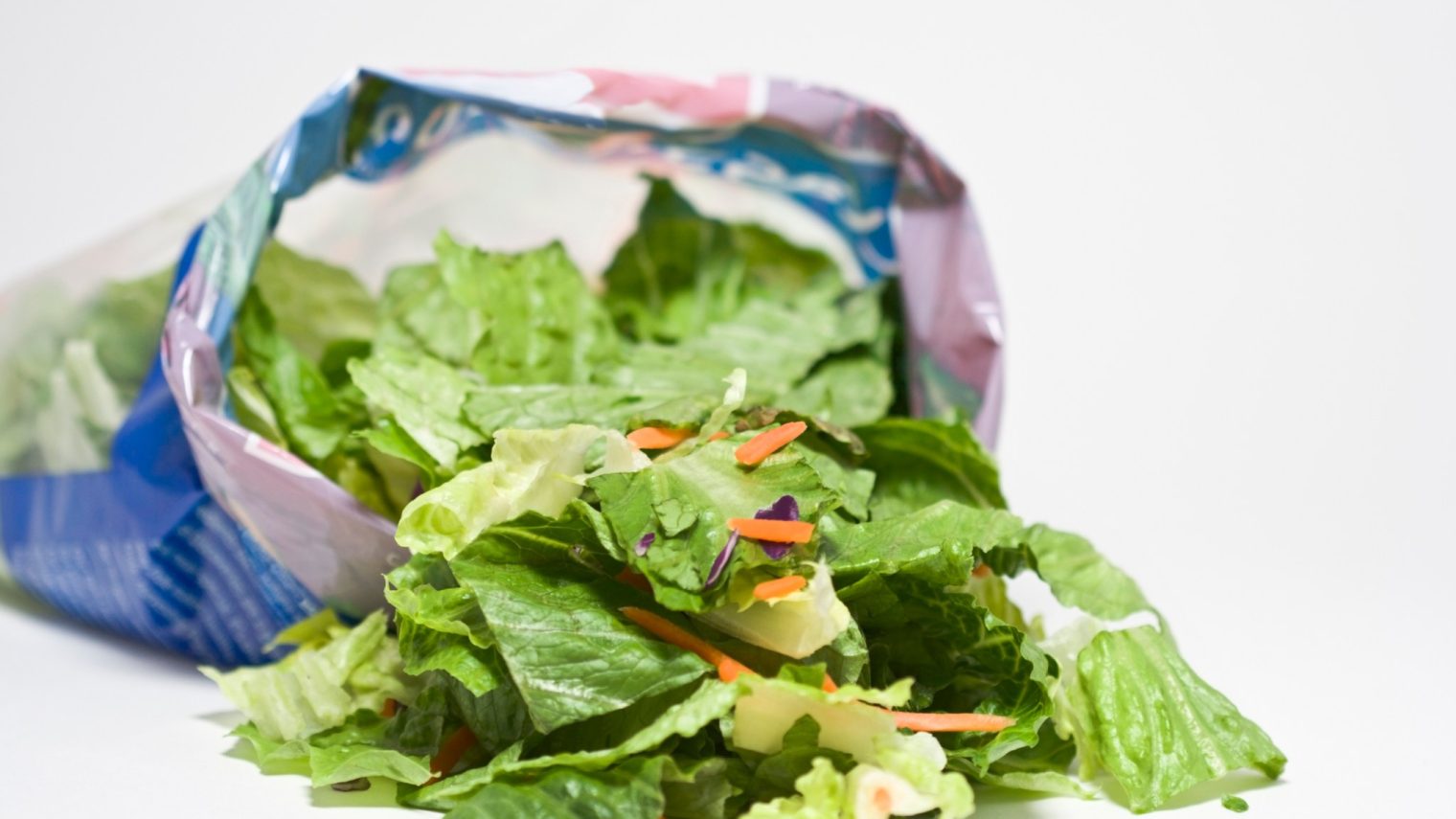
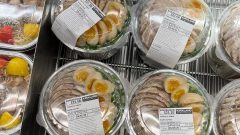
Sometimes, convenience isn’t all it’s cracked up to be. Pre-washed bagged lettuce, for example, is an unlikely vehicle for the spread of bacteria and contamination. According to food safety experts, bagged lettuce is one of the riskiest items at the grocery store.
Darin Detwiler, professor of food policy at Northeastern University and author of “Food Safety: Past, Present, and Predictions,” avoids bagged salads. “When you look at past outbreaks, bagged salads have been a leading cause of foodborne illness,” he says. They are generally washed and processed in large batches, which leaves them highly susceptible to pathogens like E. coli, listeria, and salmonella, which can result in hospitalization or worse.
A strain of E. coli named 0157:H7, for example, produces a toxin called “Shiga” that can cause severe illness with a small dose. The FDA created a Leafy Greens STEC Action Plan in response to outbreaks, which contribute to over 2.3 million illnesses every year, per the Journal of Foodborne Illness. With different farms, locations, and safety procedures, it’s challenging to control the spread.
Irrigated water, wild or domesticated animals, soil, and air can all contaminate leafy greens on the farm. When it’s time to harvest, human contact and equipment also present a risk. Leafy greens from multiple farms are combined into the same bag after arriving at a processing plant. While convenient for companies, it makes tracing the origins of contamination complex. All it takes is a single contaminated batch to impact thousands of bags across numerous states.
To make matters worse, once the greens are contaminated, rinsing them with water and storing them in the fridge won’t eliminate the bacteria. In the case of refrigeration, it’ll only slow their growth. Cooking your food is the only way to kill bacteria, but of course, salad is meant to be enjoyed fresh. So, should consumers avoid bagged leafy greens entirely? Safety experts offer recommendations for the next time you hit the grocery store.
Suggestions include checking the FDA and CDC websites for recalls, making sure the greens aren’t expired, and avoiding bags with condensation; leafy greens should be fresh, not moist. You should also store them below 40 degrees Fahrenheit and minimize drastic temperature changes. Lastly, experts recommend buying heads of lettuce over pre-cut greens because they have less surface area for bacteria to contaminate.