







Are Laser-Etched Fruit The Next Big Thing For Food Sustainability?
Sustainability has inspired all sorts of innovation in the food industry. From the FDA redefining healthy to climate-friendly food chains, the industry is responding to a growing community of conscious consumers. Produce stickers, for example, used to track and identify fruits and vegetables, are made of non-compostable plastic that easily slips off.
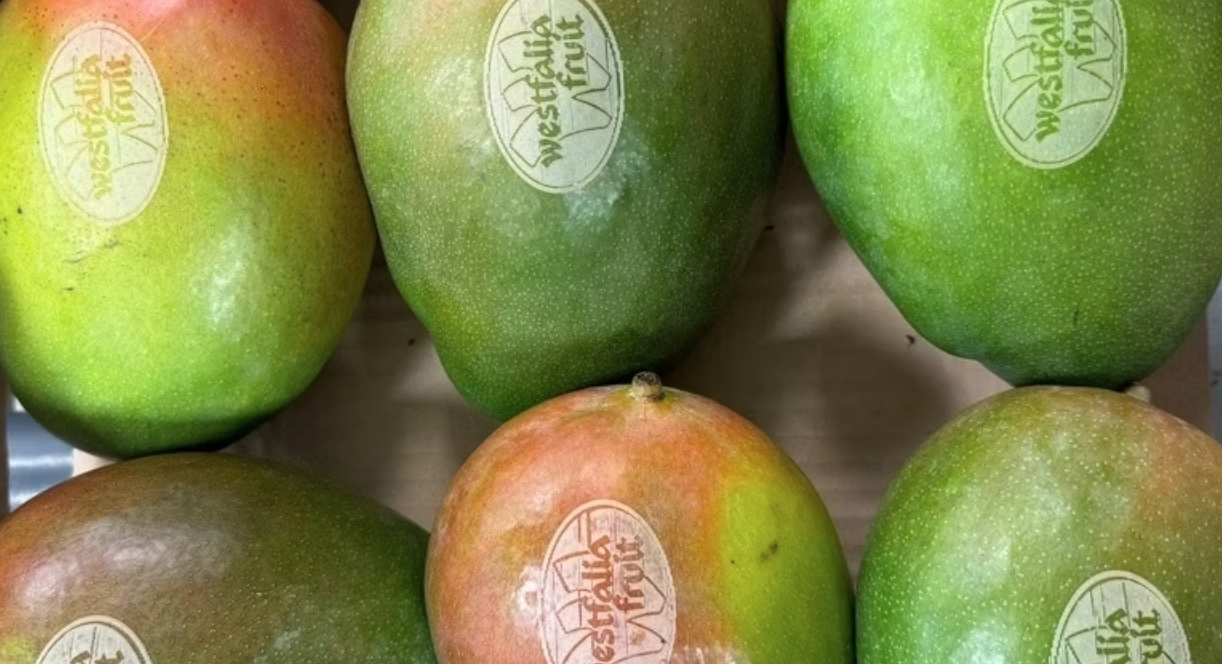
Westfalia Fruit, a UK-based supplier of fruits and plant-based products, has announced plans to replace the plastic PLU stickers on its mangoes with laser-etched labels. According to estimates, the initiative will reduce its plastic PLU use by 10 million stickers.
“The introduction of laser etching, which is almost like a tattoo on the mango, not only makes the fruit stand out in-store but also aligns with our commitment to sustainability,” said Mathijs Benard, head of operations for Central Europe, to Food Bev.
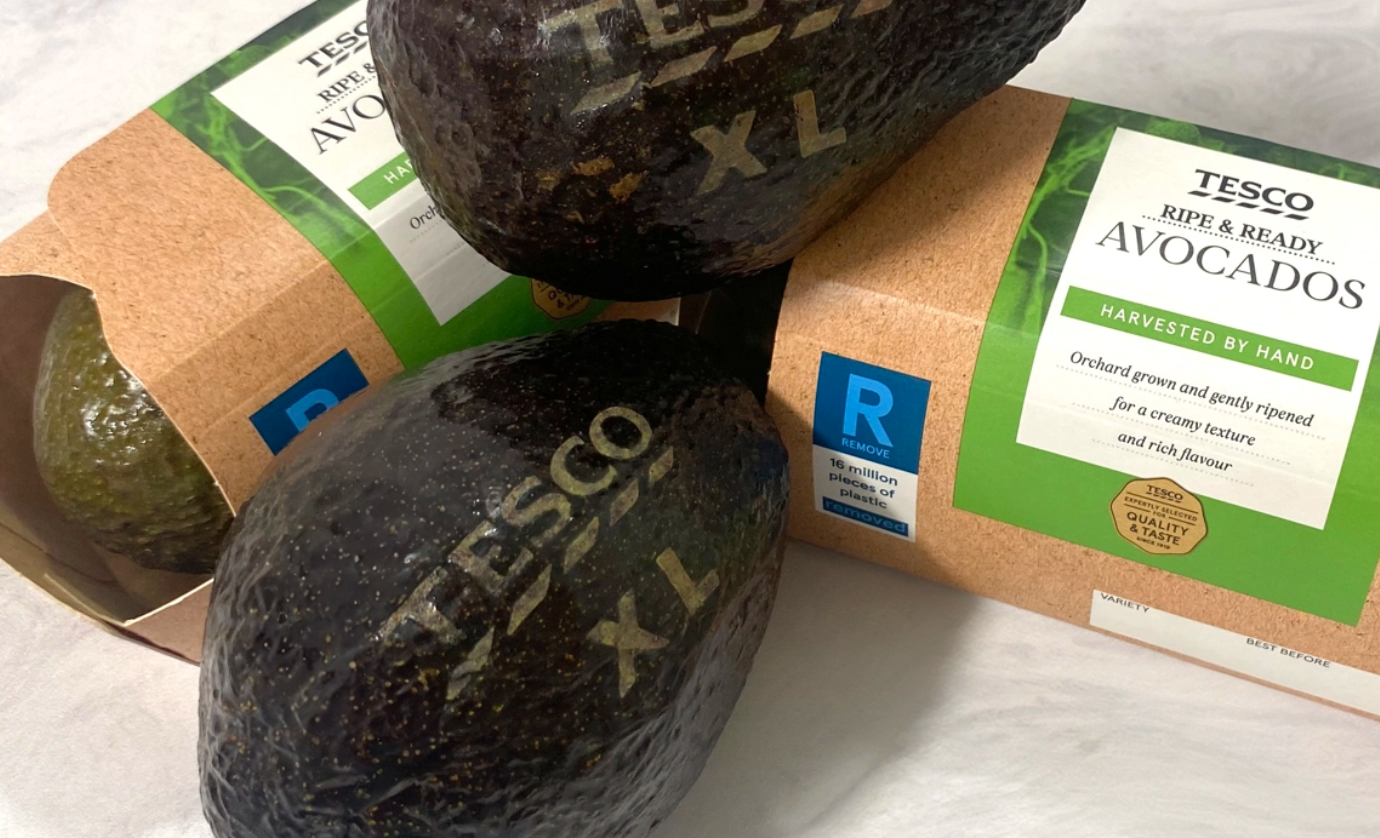
The information provided in the laser etch includes fruit origin, customer branding, and product reference. Additional details can be included depending on customer preference, as well. Westfalia follows the steps of department store chain Tesco, which introduced laser-etched avocados in June.
Laser-etched produce goes back over a decade, though. A CBS article covered the newly-borne trend, which began popping up in Europe after being approved in 2013. It highlighted benefits like lowering the cost of printing and adhesive and solving the the issue of stickers falling off.
From a sustainable standpoint, laser-etched produce is less wasteful than single-use plastic PLU stickers, so it isn’t far-fetched to picture it becoming the new standard. Europe is clearly on the laser-etch bandwagon, but according to the FDA, the States only allow it on citrus fruits. Plastic PLU stickers are still the norm, though it isn’t quite clear why.
A recent study evaluating consumers’ acceptability of laser-labeled apples, published in Future Food, found that people generally preferred plastic sticker labels to laser QR codes. But, after being informed of the sustainable benefits, the statistics shifted to 52% preferring QR-code labels.
One hurdle slowing the transition from plastic stickers to laser-etched ones seems to be familiarity, but is it the main culprit? Considering the laundry list of negatives to single-use plastic, laser-etching should be a no-brainer.